Skip navigation


Trust The Waste Recycling Experts

Waste processed on site

Fully compliant

98% diversion from landfill

Responsibly handled
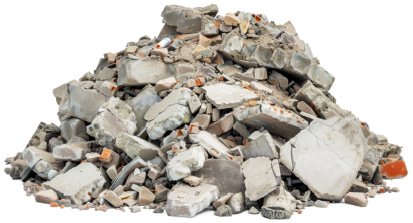
Concrete Waste
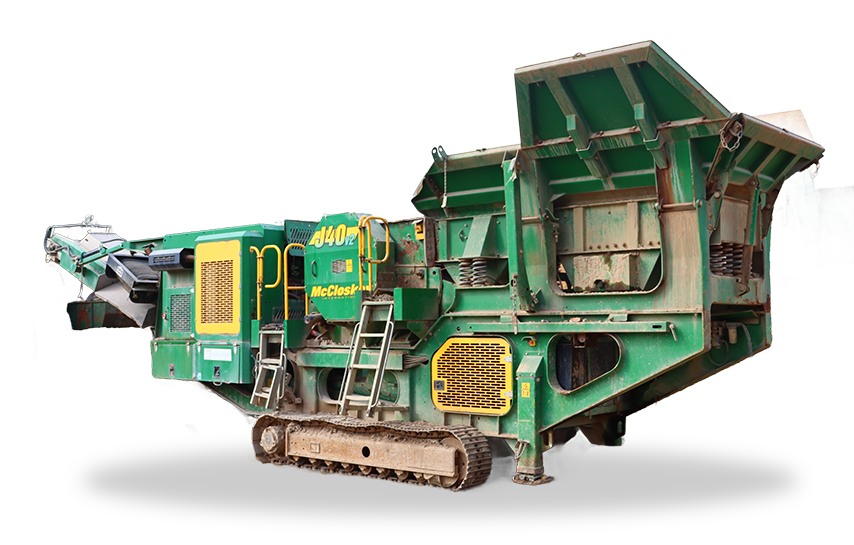
Concrete waste is carefully processed and crushed so that it can be reused as recycled aggregate. This reduces the need for newly quarried materials and gives concrete waste a second life in construction and groundwork projects.
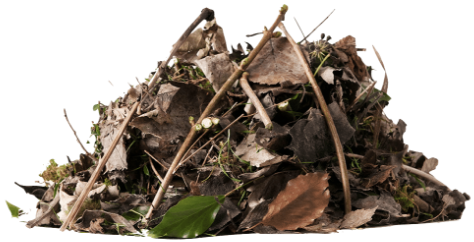
Garden Waste
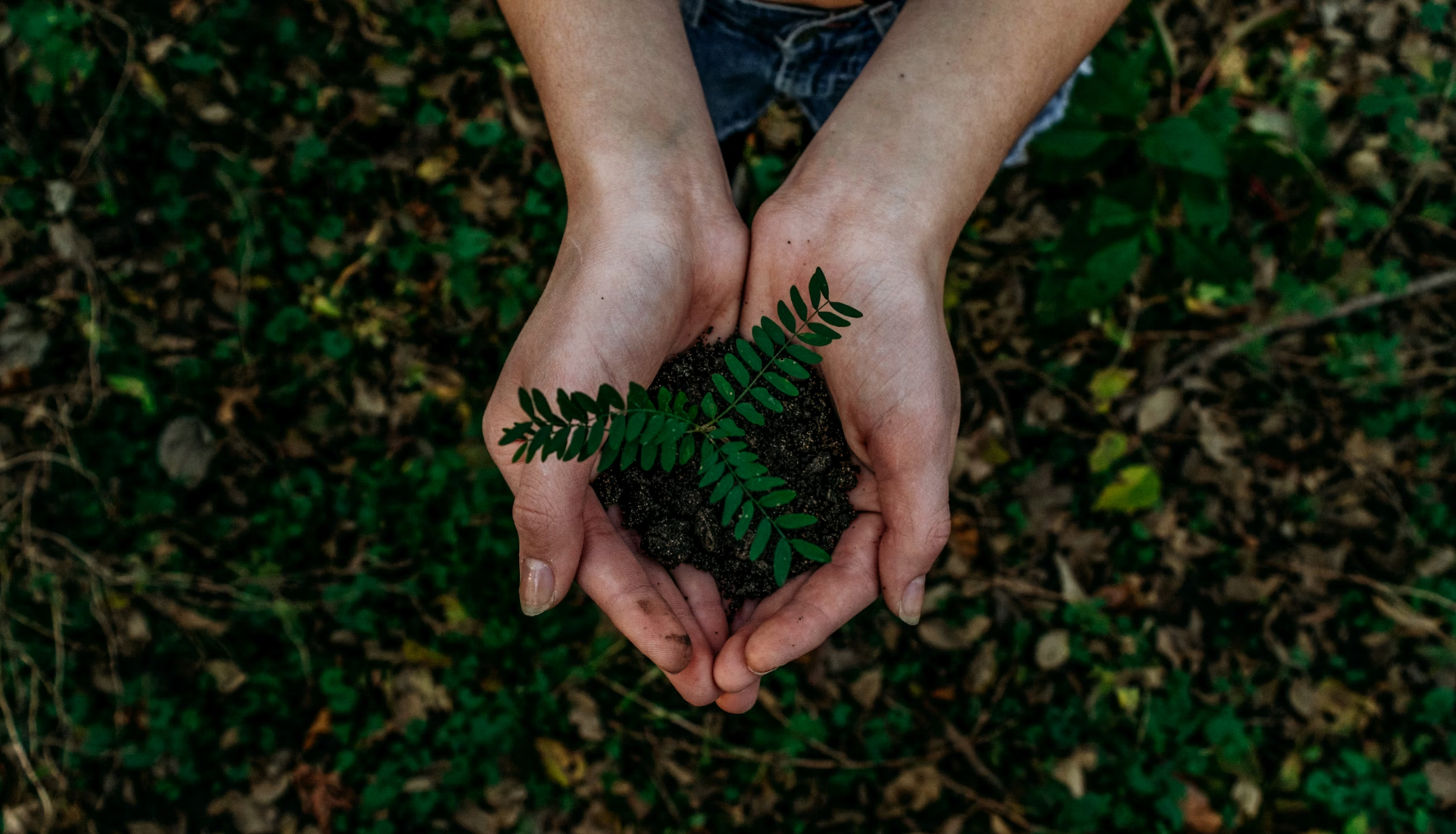
Soil, grass cuttings, branches and plant material is separated and sent for composting wherever possible. This allows organic waste to break down naturally and be reused for agriculture and land improvement, returning nutrients back to the soil.
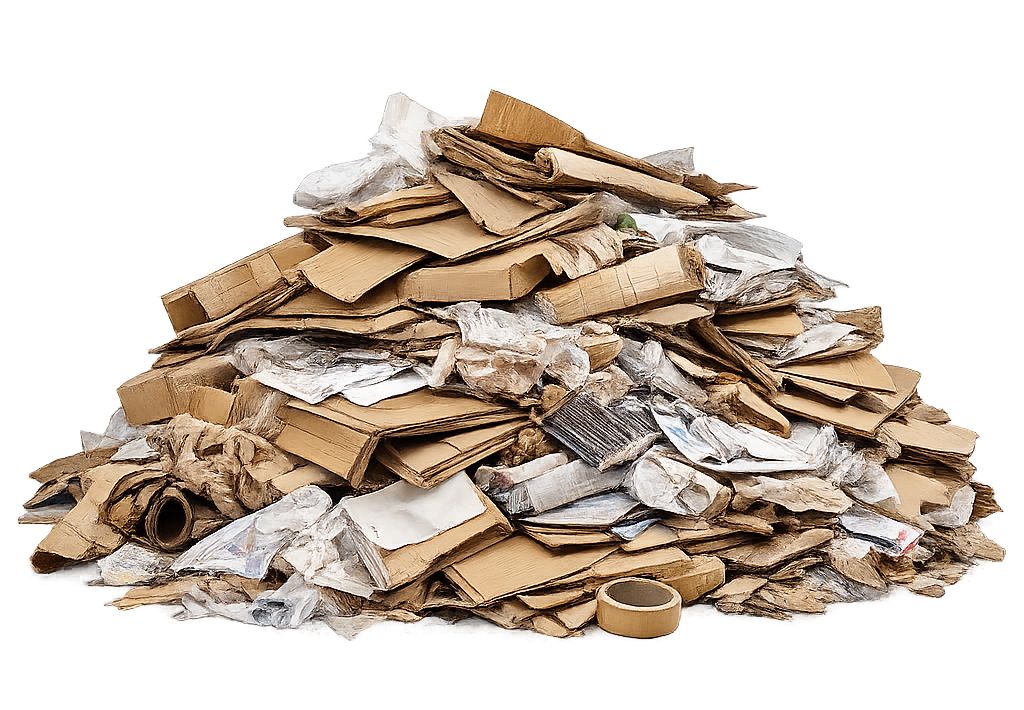
Paper & Cardboard
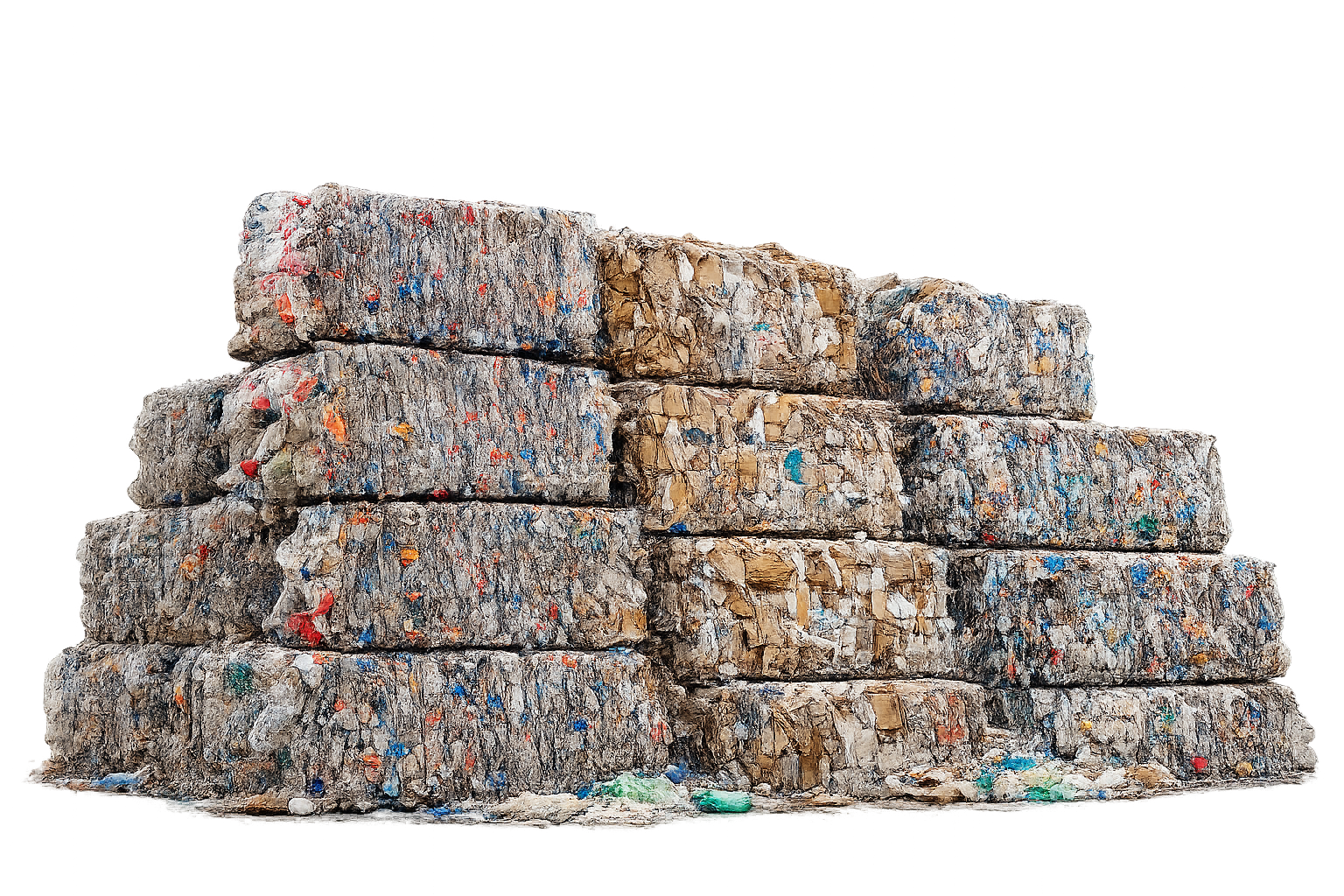
Paper and cardboard waste is separated and prepared for recycling so it can be processed into new paper paper products. This reduces the need for raw timber, supporting more responsible use of natural resources.
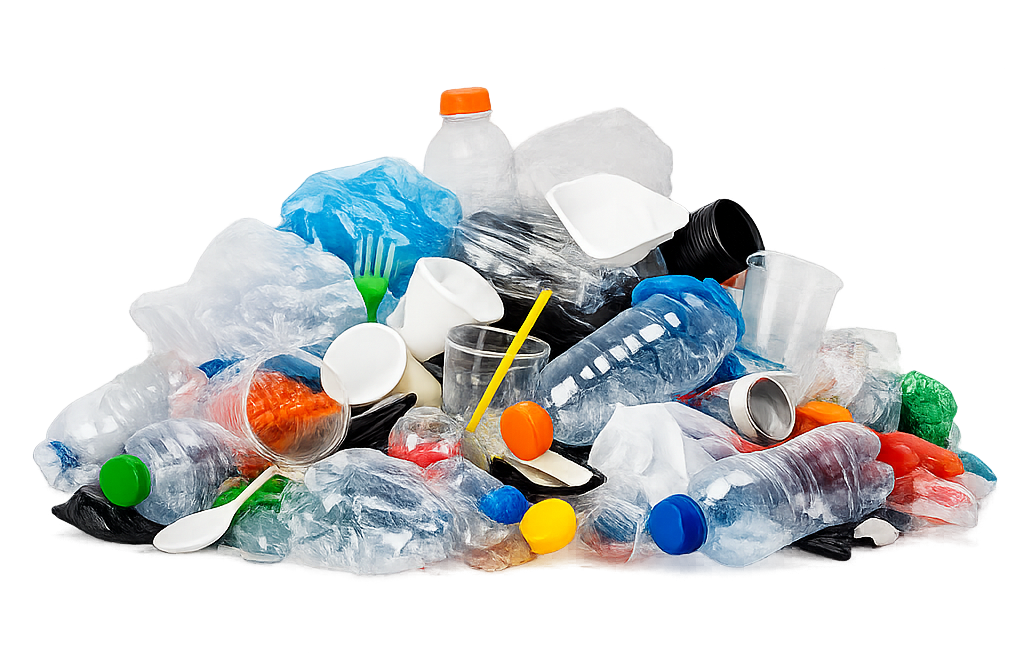
Plastics & uPVC
Plastics and uPVC waste such as packaging, sheeting and building components are sorted for reprocessing. They can be reused for new products, reducing waste and demand for newly manufactured plastics.
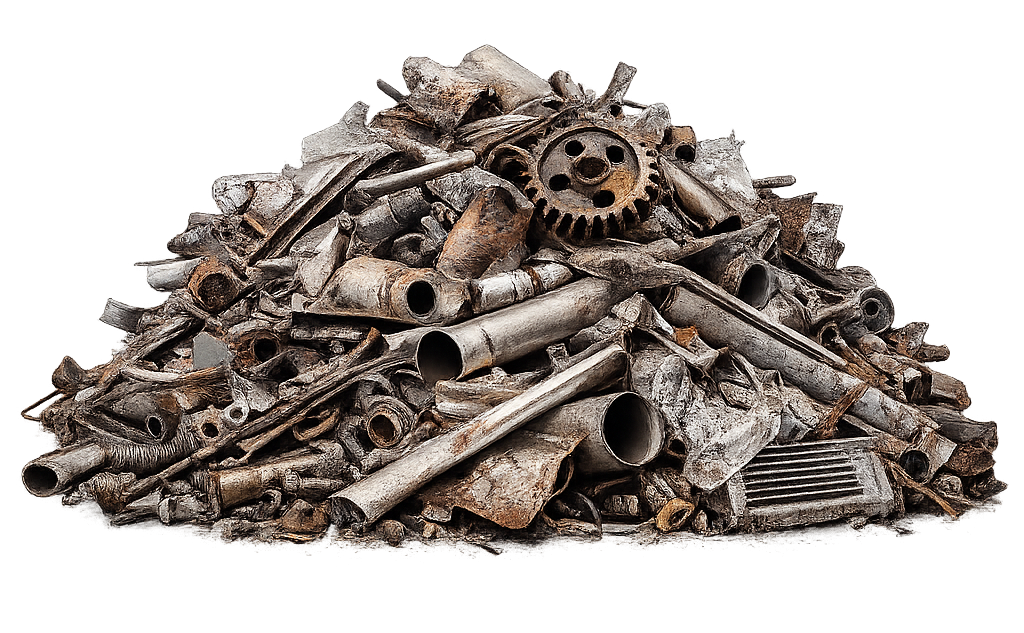
Metals
Steel, aluminium, copper and pipework is separated from mixed waste streams. Ferrous metals are removed using magnets while others are sorted by hand. Once processed, they can be melted down and reused, reducing the need for raw material extraction and keeping valuable resources in circulation.
Frequently Asked Questions
A skip is an open-topped container, specifically designed for transporting large quantities of waste. They are engineered to be carried on the back of a specialist lorry and can be delivered to an off road location of your choice to enable easy waste disposal. Once you have filled the skip, we will collect and where possible, recycle the contents. The skips we use are carefully engineered and repurposed to minimise the impact on the environment.
Very little. All waste collected is taken to our facility for sorting, where recyclable materials are recovered and reused wherever possible. This approach means 98% of waste is currently diverted away from landfill, with an aim of reaching zero waste to landfill by 2030.
Yes, plasterboard needs a separate skip because it cannot be mixed with general waste. If disposed of incorrectly it can produce harmful gases as it breaks down, which are damaging to the environment. Using a dedicated plasterboard skip ensures safe disposal and reduces environmental impact.
You must use a specialist asbestos skip to dispose of asbestos safely and securely. It should never be mixed with general waste, as this can contaminate the entire skip and create serious health and environmental risks.
A licensed asbestos removal contractor can provide a lined and clearly labelled skip, which can be enclosed and locked to prevent fibres from escaping. We can support asbestos removal for large scale projects over 4 tonnes. If you’d like to discuss your requirements, contact the team for further guidance.
Hazardous items must not be placed in a standard skip. These include, but are not limited to:
– Fridges and freezers
– TV or computer monitors
– Liquids (dried-out paint is acceptable)
– Fluorescent tubes and other mercury-containing waste
– Gas canisters
– Tyres
– Asbestos (please contact the team to discuss large scale asbestos removal)
– Plasterboard, (cannot be mixed with general waste)
If you’re unsure, it’s always best to check before booking. If in doubt, leave it out and give us a call for advice.
Your skip hire includes a standard 10 day hire period. After this time, the skip will be scheduled for collection unless you’ve arranged an extension.
If you need the skip for longer, just let us know in advance and we’ll be happy to help. In the event that we’re unable to collect the skip as planned, an £80 + VAT charge may apply.
Yes, soil, rubble and aggregates can be placed in our large and midi skips. Because these materials are heavy, we’re unable to accept them in larger skip sizes, as they can become unsafe to move when filled.