Skip navigation



Renovating your home can be exciting, but it also creates a lot of waste along the way. Old furniture, broken tiles, plasterboard, flooring and packaging can quickly pile up, especially during bigger projects like kitchen refits or extensions.
Hiring a skip is one of the easiest ways to keep everything under control. Instead of making repeated trips to the recycling centre or letting waste build up around your home, you can load everything into one place and have it taken away when you’re done.
In this guide, we’ll walk you through how skip hire works during a renovation, how to choose the right skip size, and a few practical tips to make managing renovation waste easier.
What skip size do you need for renovation?
The right skip size usually depends on the scale of the renovation and the type of waste the project will create. Smaller projects, such as bathroom refits, will produce far less waste than a full kitchen renovation.
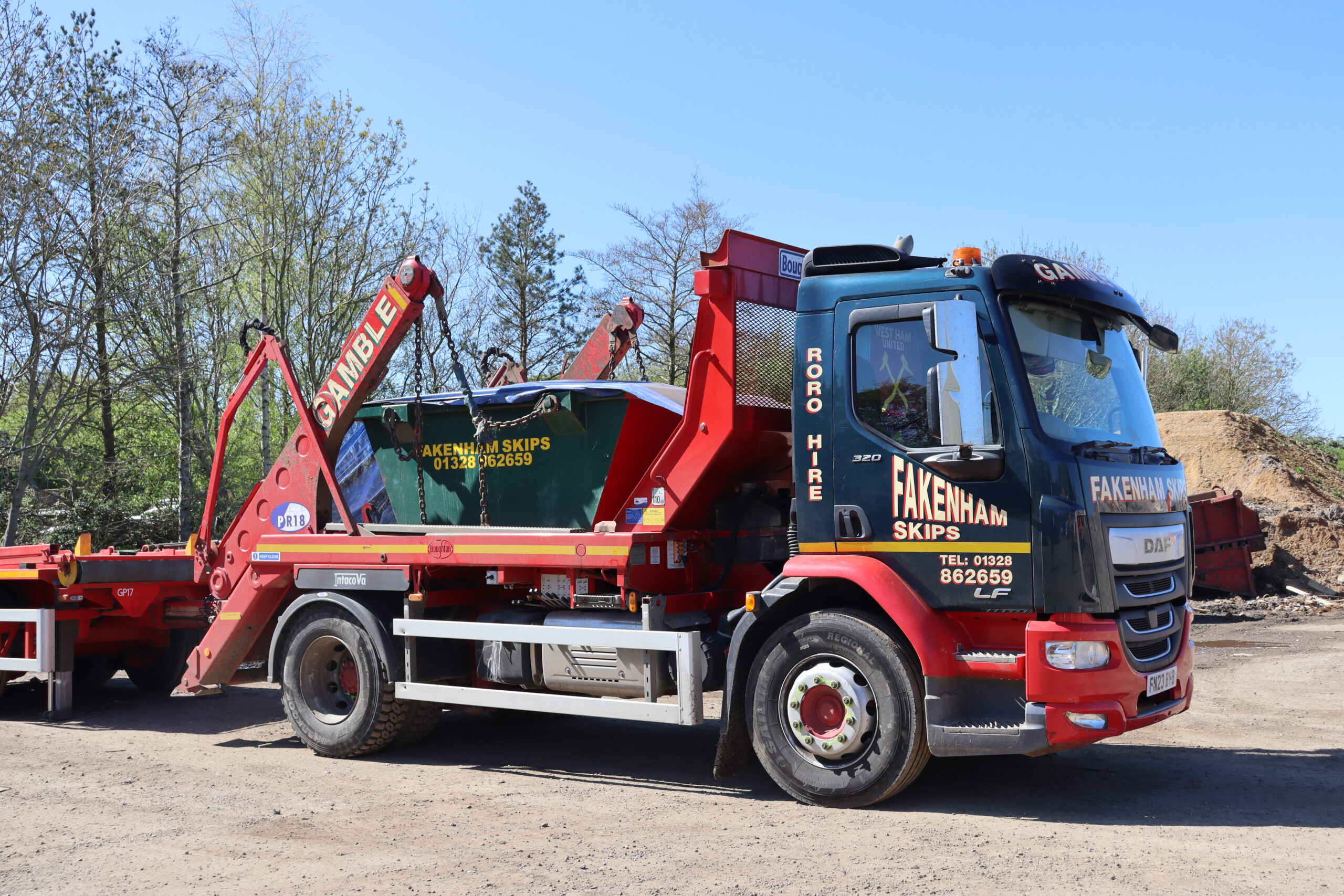
Fakenham Skips offer three main sizes that cover most projects. Each one suits a different type of project.
Midi skip
A midi skip, also known as a 4 yard skip, works well for smaller jobs where waste builds up steadily rather than all at once. Typical projects include:
- Bathroom refurbishments
- Removing tiles or flooring in one room
- Small kitchen upgrades
- DIY renovation work
The size is compact, which makes it easier to place on a driveway while still holding a good amount of materials like tiles, timber, and general building waste.
The midi skip has no weight limit, so it can take heavier materials such as rubble, tiles or soil.
Fakenham skips also offers a midi plasterboard only skip, which is useful if a renovation involves removing of gypsum-based materials during strip out work.
Large skip
A large skip, also known as a 7 yard skip, is the most popular choice for home renovations. It offers much more space than a midi size while still fitting comfortably on most driveways. If you’re unsure, choosing the larger size can help avoid needing multiple collections.
This size is often used for:
- Full kitchen refills
- Multi room decorating or flooring projects
- Garden landscaping
- Garage or shed clearances
It’s well suited to mixed renovation waste, including cabinets, timber, tiles, packaging, and general construction materials.
Like the midi skip, the large size has no weight restrictions, so it can also take heavier forms of waste, such as bricks or rubble. For projects that produce a large amount of plasterboard waste, we offer a plasterboard only 7 yard skip.
Extra large skip
A 12 yard large skip is suited to larger renovation projects where waste builds up quickly or where there are lots of bulky materials to remove.
This size is often used for:
- Full property refurbishments
- House clearances during renovation
- Removing old furniture and fixtures
- Large garden or landscaping projects
The extra large skip provides plenty of space for bulky waste such as timber, furniture, plastics, insulation and packaging.
The 12 yard size does have a weight limit, which makes it better suited for lighter bulky renovation waste, rather than materials such as bricks, soil or hardcore.
Tips for using a skip during a renovation
Without the right preparation, projects can get messy quickly. Planning how you’ll deal with waste early on can make the whole job run more smoothly and stop materials building up around the property.
Choose the right size from the start: If the project is likely to produce a lot of waste, it’s better to invest in a larger size. This helps avoid needing another skip partway through the job.
Plan where waste will go during the project: Choose a clear, accessible spot for the skip before it arrives. This makes delivery easier and helps avoid blocking driveways, gates or access points during the renovation.
Break down bulky items: Cabinets, furniture and timber can take up more space than expected. To make the most of your space, we’d advise breaking them down before loading into the skip.
Load the skip evenly: Placing heavier items at the bottom and spreading materials across the skip helps you use the space more efficiently.
Don’t overfill the skip: Waste shouldn’t sit above the top edge of the skip. Overfilled skips cannot be safely transported and may need to be unloaded before collection. Make sure to pay attention to any marked fill lines.
Keep restricted waste separate: Items like paint, chemicals, and electrical equipment cannot go into standard skips. Make sure to keep them to the side and dispose of them separately.
Why hire a skip locally?
Hiring a local skip company can make a real difference during a renovation project. Waste can build up quickly, so it helps to work with a team that can deliver and collect skips without long wait times.
Booking locally means you’re dealing directly with the team delivering the skip, which can make communication simpler and help keep costs down. Working with a nearby company also makes it easier to organise collections or swap a skip if your renovation produces more waste than expected. A local team knows the area well and can respond quickly when you need them.
Keeping your renovation project organised
Keeping on top of waste can make a big difference to how smoothly a renovation runs. Having a skip on site gives you a simple place to dispose of materials as the project moves forward, helping keep the space clear and organised.
Choosing the right skip size and planning where it will be placed can also save time during the job and help avoid unnecessary delays.
If you’re planning a renovation in North Norfolk, the team at Fakenham Skips can help you choose the right skip size and arrange delivery at a time that works for your project. You can book a skip online today or send an enquiry if you’d like advice before booking.